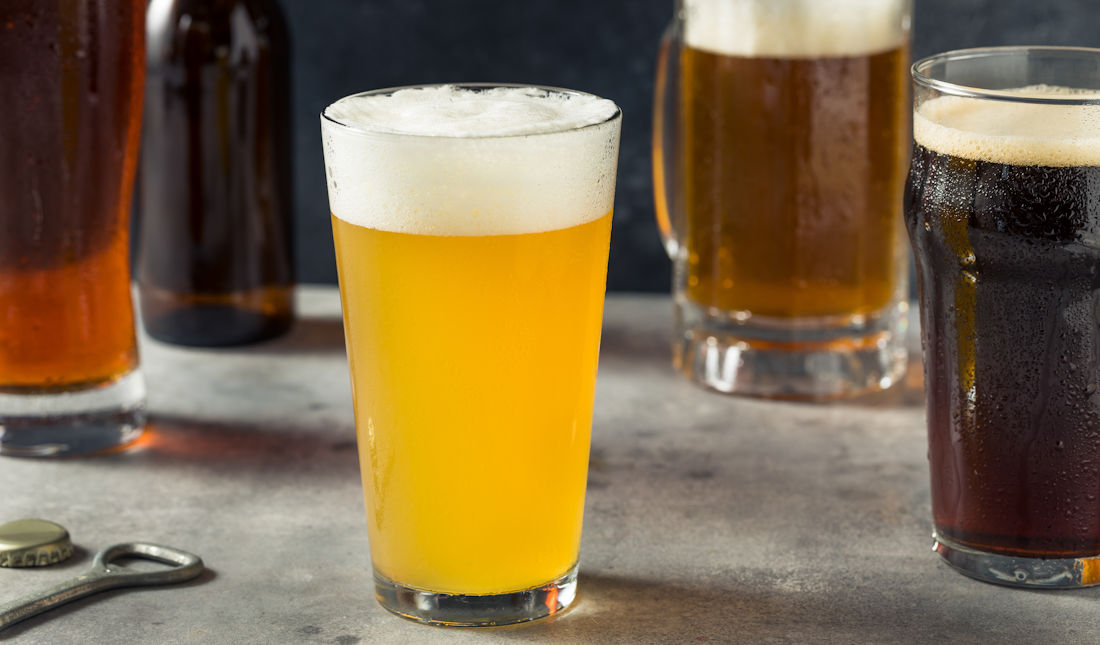
As a beer drinker, you’re blessed with a dizzying number of options at the local pub or liquor store. There really is something for everyone, although finding your beer of choice may take some serious exploration.
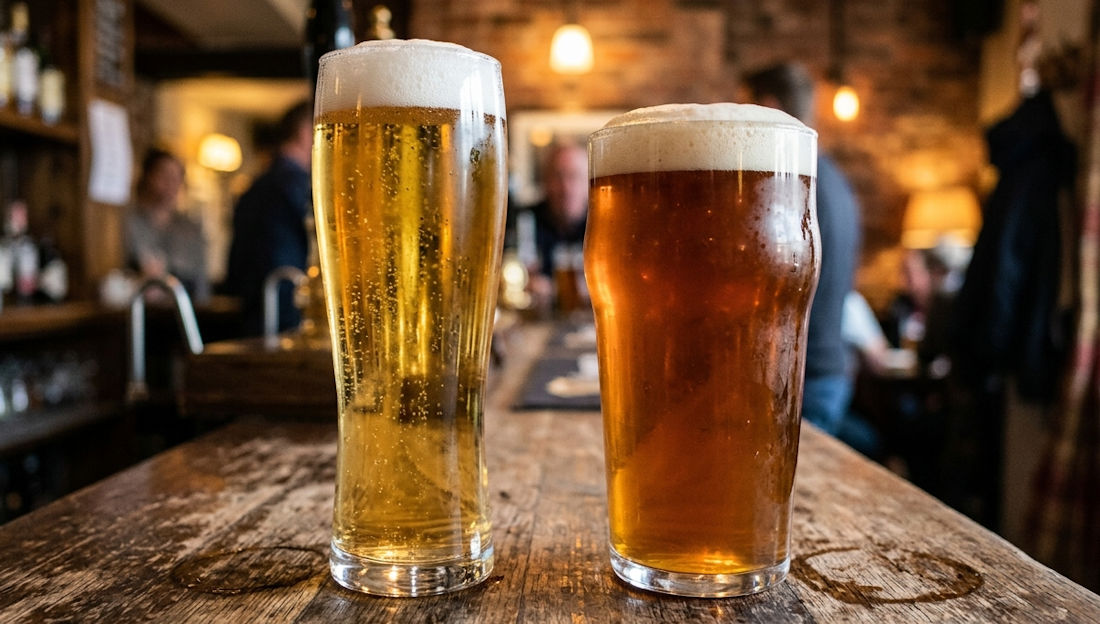
Lager and ale are the two brewing classifications that house every unique variety we know and love. But even hardcore beer aficionados will stutter when explaining the difference between the two. In this article, we’ll go over the differences (and similarities) between lager and ale, while diving into some commonly enjoyed types of each classification.
The Similarities
First, it’s important to understand that all beer falls into the category of either lager or ale, because they are not specific styles, but rather two distinct ways of making beer. Nearly all the beer types belong in one of these two classifications based on how they’re made. It has nothing to do with their alcohol content, colour or flavour.
Whether you’re drinking a beer or a lager, the base is always the same. As a starting point, beer is made with malt, water, hops and yeast. Plus, both lager and ale rely on yeast in the brewing process. But that’s about the end of the similarities.
The Differences
When determining whether a beer is a lager or an ale, it all comes down to the fermentation process. Fermentation is a critical step in brewing beer. It’s an anaerobic process that involves using yeast to turn sugary sludge into drinkable beer that’s converted into alcohol and carbonated.
Without yeast fermentation, we wouldn’t have beer.
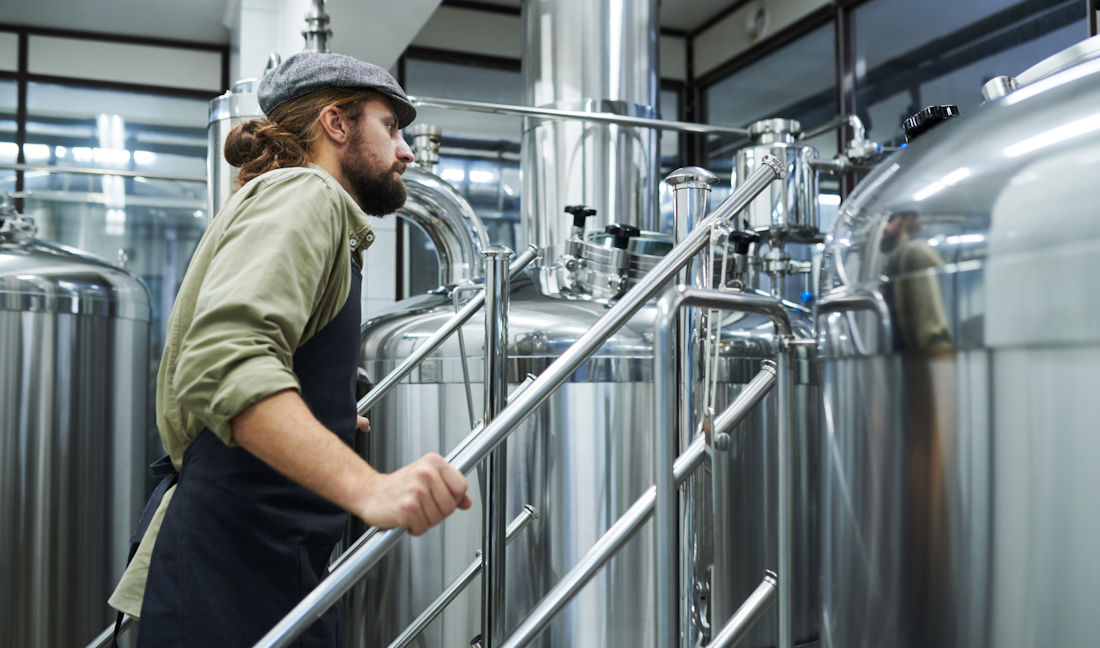
Yeast
The fermentation process of lager and ale is fundamentally different.
Lagers use what’s called a bottom-fermenting yeast, or Saccharomyces pastorianus. Bottom-fermenting yeast gets its name by settling at the bottom of the fermentation vessel once the process is complete. Generally speaking, this produces a finished product that’s clean and crisp.
Ales, on the other hand, use top-fermenting yeast, or Saccharomyces cerevisiae. This type of yeast rises to the surface during fermentation, creating a thicker, frothier head. This allows for the development of more complex flavours.
Temperature
Temperature is another key difference between the lager and ale classifications.
The bottom-fermenting yeast used to make lager thrives at temperatures around 8-15°C (or 42-55°F). Top-fermenting yeast for ales ferments at warmer temperatures, typically around 15-24°C (59-74°F). As a result, these unique processes are often referred to as cold fermentation and warm fermentation.
Time
Time is the final difference in the fermentation process, which helps classify nearly all beers as either lagers or ales.
For a lager, the fermentation time is significantly longer, often lasting up to 6-8 weeks. Ale is a different story. Ale often ferments for 3-5 weeks, but it’s possible to produce a drinkable ale in as little as 7 days.
Types of Lagers

Here are some of the more well-known types of bottom-fermented beer brewed at colder temperatures, also known as lagers:
Pilsner
Pilsner is a pale lager with a classic golden colour and slight hop bitterness that helps set it apart from other lagers. There are Czech, German and American-style pilsners, but the original dates back to 1842 in Plzeň, Bohemia (modern day Czech Republic).
Helles
Helles is a traditional German lager with a similar golden colour like a pilsner, but with lower hop bitterness. Crisp and refreshing, the Germans have been brewing Helles in Munich since 1894.
Bock
Bock is another German beer that dates all the way back to the 14th century. The bock is known to be extra strong, sitting around 6-8% ABV. The colour is a little darker, similar to copper, with a slight sweetness and smooth finish.
American Lager
American lager is a very light-bodied beer characterized by its high carbonization and ultra clean flavour profile. American lager is not at all bitter, while providing subtle, corn-like flavour notes.
>>What about Canadian beer? Here are the big name Canadian beers that are made in Canada
Types of Ale
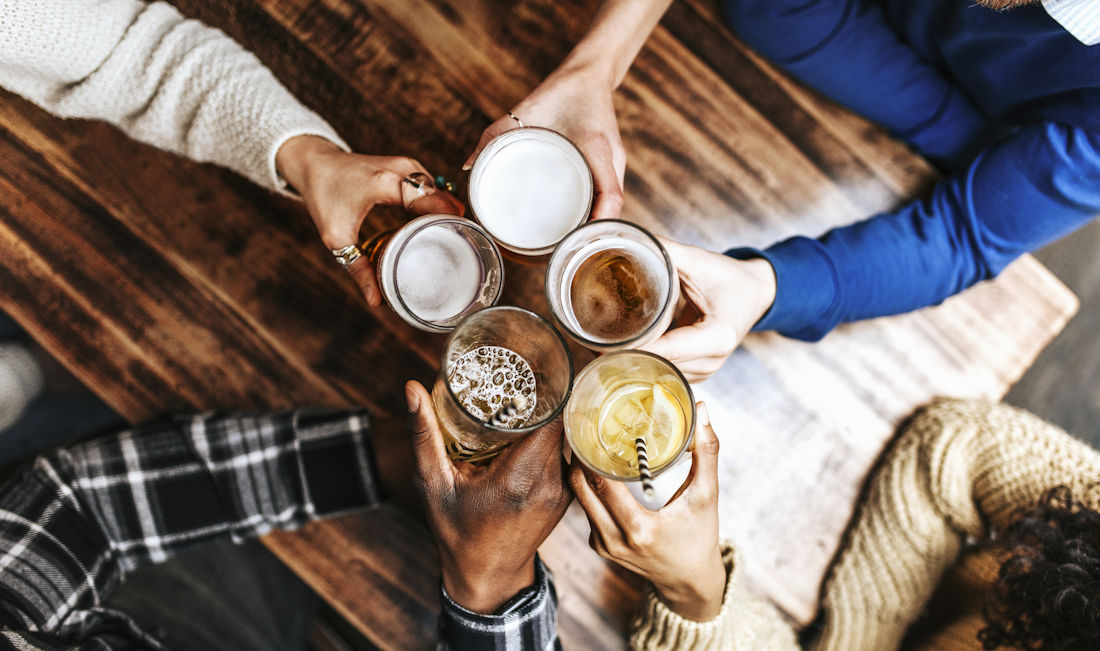
Here are some of the common types of top-fermented beer brewed at warmer temperatures, also known as ale:
India Pale Ale
The India Pale Ale (IPA) is famous for its hop-forward flavour profile. Both the aromas and the bitterness are bold, with ABVs climbing well north of a typical ale. The IPA was developed back in 19th century UK because it could withstand the long voyage to India.
>>Here are some of BC’s Best IPAs
Blonde/Golden Ale
The golden or blonde ale is easy to drink, making it an approachable option for those who aren’t into the hoppy bitterness. They’re usually lighter bodied with a crisp finish and stunning golden colour.
Extra Special Bitter
Extra Special Bitter (ESB) is a beer introduced by the English. The beer is defined by a hop bitterness that’s surprisingly mild and earthy, plus a delicious malt sweetness. These medium-bodied beers typically hover around 4.5-5.5%.
Amber Ale
Amber ale emerged in the 1980s from the early craft beer movement. The beer is pretty versatile, but typically shows itself with a copper or amber colour and roasted caramel flavours. Regional variations like Irish Red Ale and British Amber Ale are popular too.
Stout
Stout is an old-English beer with a deep, black colour and beautiful cream-coloured head. The flavour profile is characterized by strong notes of coffee, chocolate and caramel, and despite the colour, a stout can still feel relatively light (think Guinness).
Sour
As the name suggests, sour beer is tart and acidic. This is done by introducing special bacteria into the brewing process. As a result, you can get some pretty wild fruity flavours in a sour. Popularized more recently here in North America, the Europeans have been making their own versions, like Gose and Weisse, for hundreds of years.
Springs Group liquor stores in Vancouver and the lower mainland are your home for nearly every beer style under the sun, from local favourites to imported classics to new-age experimental. Find a liquor store near you and pay us a visit!