Brewing beer is something nearly every country on Earth participates in. So much so, that it’s become one of humanity’s favourite pastimes. There are thousands upon thousands of breweries around the world. Africa, Europe, China and the US brew a staggering volume of beer every year, but it’s Mexico that has risen to the top, becoming the world’s number one exporter. Today, Mexican beers like Corona, Modelo, and Pacifico are staples in BC liquor stores and Canadian beer retailers, especially during summer months.
This article explores the early days of brewing in Mexico, how their industry grew to become the largest exporter on the planet, and how the influence of Mexican beer lives on throughout Canadian liquor stores.
Early Days of Brewing in Mexico
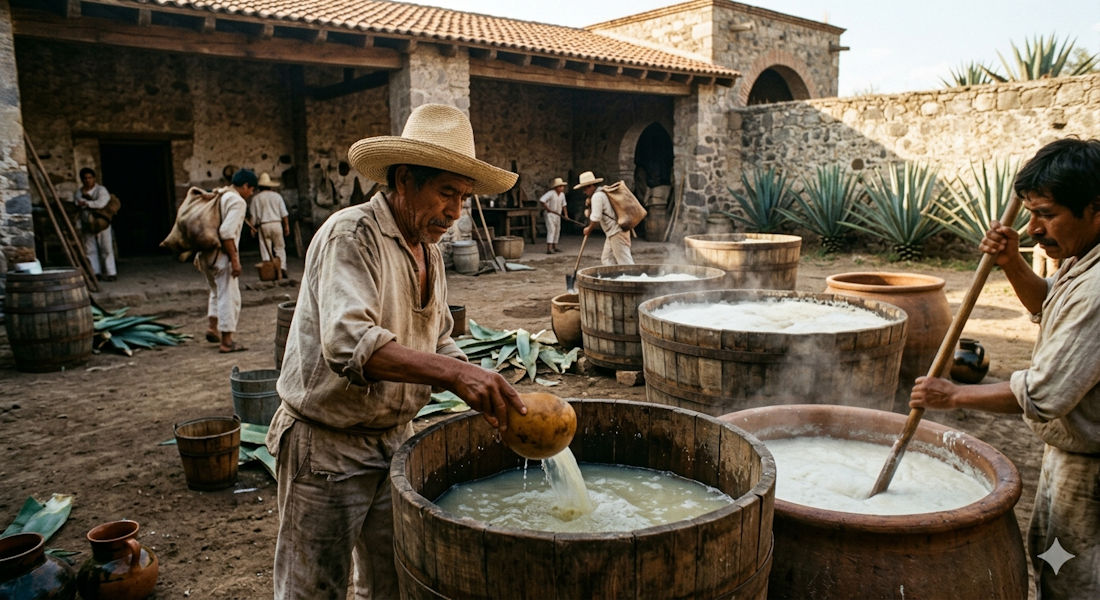
The first recorded brewing efforts in Mexico date back to the mid-16th century, when the Spanish authorities tried to kick-start the industry. The effort ended up failing, due to the stringent regulations and high taxes imposed by the Spanish.
It wasn’t until after Mexico’s War of Independence when brewing beer really took off. It was mid-19th century European immigrants from Austria, Germany and Switzerland who brought brewing expertise with them. Their expertise helped the Mexican beer industry grow and expand. Towards the end of the 19th century, the industry got a big boost from the Austro-Germanic ruling family influence, who had their own Vienna-style beer brewery. By then, breweries began appearing across Mexico.
As Mexico entered the 20th century, it had become a sizable beer-producing nation with a few dozen breweries. Beginning in 1920, at the time of US Prohibition, the Mexican beer industry thrived thanks to highly profitable trade with the US.
Market Consolidation
It was the consolidation of Mexican breweries that put the industry on the path to global dominance. This consolidation began following the Mexican Revolution around 1920.
Monterrey’s Cervecería Cuauhtémoc bought the Tecate brewery, then Cervecería Toluca became Cervecería Modelo in 1925 before buying up numerous competitors. Throughout the 20th century this consolidation continued until there were only two breweries left standing: Cervecería Modelo and Cervecería Cuauhtémoc-Moctezuma. The latter was owned by FEMSA, a major Mexican multinational holding company that operates OXXO and the world’s largest Coca-Cola bottling operation.
With two brewers running the show in Mexico with over 90% market share, popular brands rose to the top and were distributed across the country, while others disappeared. Modelo owned brands like Corona, Modelo and Pacifico, while Cuauhtémoc-Moctezuma had Sol, Tecate and Dos Equis.
By 2003, Mexico overtook the Netherlands as the world’s largest beer exporter, shipping 1.4 million tonnes.
Acquisition & Expansion

In 2010, Cerveceria Cuauhtémoc-Moctezuma was sold to Heineken, a Dutch conglomerate with 170+ beer brands. After their acquisition of Cuauhtémoc-Moctezuma, Tecate became one of their largest brands along with Heineken. In 2013, the American brewing company Anheuser-Busch (AB InBev) purchased Cervecería Modelo.
The acquisitions of these Mexican breweries only fueled the fire of growth. Massive advertising budgets were allocated to these brands, generating huge exposure around the globe. It was also the extensive distribution networks of these conglomerates that enabled Mexican beer brands to line the shelves of liquor stores and supermarkets around the world.
Mexican Dominance
Thanks to their extra-thirsty neighbours to the north, the Mexican beer industry did not look back after first becoming the top exporter in 2003. The US was Mexico’s biggest beer customer by far. And as the 21st century progressed, Mexican brands continued to grow.
Today, Corona Extra is the world’s most valuable beer brand. Chinese brand “Snow Beer” is the top selling beer by volume, but Corona is the winner when it comes to export volume around the world.
Modelo Especial is another giant brand. This Pilsner-style Mexican lager became the top-selling beer in the US in 2023, following the Bud Light fiasco.
Other brands like Tecate, Dos Equis, Negra Modelo, Pacifico and Sol continue to sell widely within Mexico and around the world.
Mexican Influence Persists
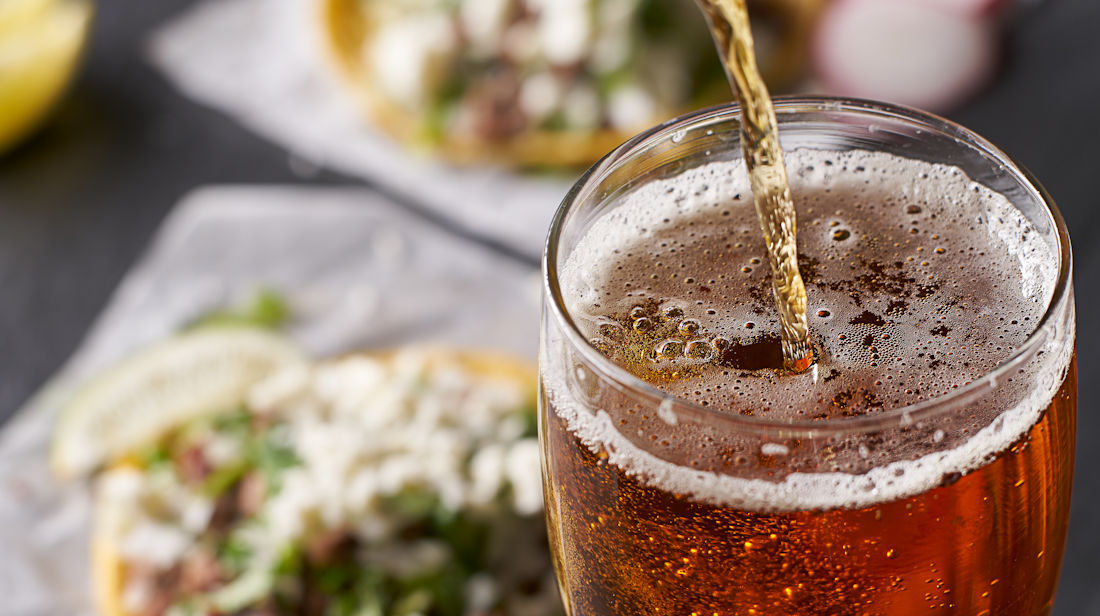
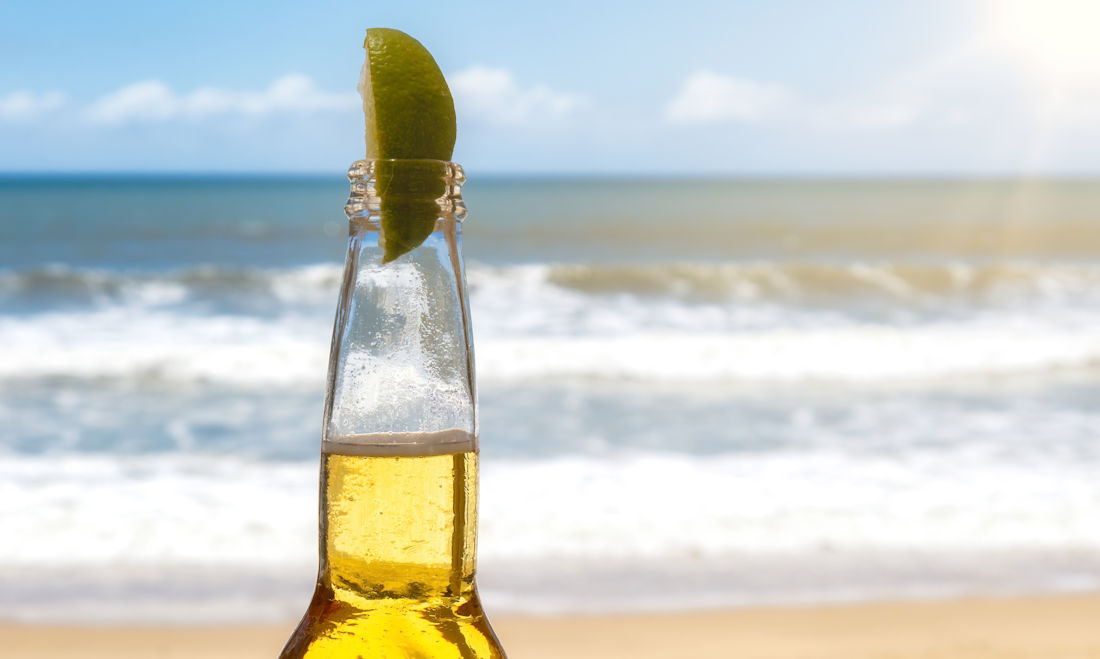
It isn’t difficult to understand why Mexican beer is so widely-favoured. The beer itself is crisp, light and easy to drink. And that refreshing taste is hard to beat. It’s a taste we crave when the sun is beating down or when we’re relaxing on vacation. This “vacation”-like perception has no doubt helped propel the brands forward. Throw in a slice of lime and the beer becomes even less bitter and even more beach-ready.
Today, Mexican influence is easy to see. Of course Mexico already has a stellar reputation in the liquor industry from their 500-year-old tequila-making tradition that has only grown more popular here in Canada. But when you shop at your local liquor store or visit a nearby bar or pub, Mexican beer is always present. You’ll also run into Mexican beer cocktails like Micheladas and Mexican Bulldogs.
The thirst for Mexican beer has created more demand than the big-name brands can handle. After all, not everyone is interested in big name beer brands. Here in BC, the craft beer industry is thriving. But when you notice local breweries releasing Mexican-style lagers and salted-lime lagers, you know the thirst for Mexican beer is as strong as ever.