These days, British Columbians have changed their attitudes around alcohol consumption. Alcohol sales have been decreasing every year since the pandemic, with last year experiencing the most dramatic single year decline, but there’s more to the story. Consumption of certain types of alcoholic beverages have actually increased, and people are drinking in bars and restaurants at the same rate.
This article explores several reasons why British Columbians have changed their outlook on alcohol consumption. But first, let’s take a look at the data.
BC Alcohol Consumption Trends
The University of Victoria has been studying BC’s alcohol intake since 2001 via their BC Alcohol and Other Drug (AOD) Monitoring Project. During the fiscal year of 2020/21, alcohol sales hit a peak of 550 standard drinks per capita, as British Columbians were largely cooped up at home with nowhere to go. But every year since, alcohol sales have declined.
The most recent data is from the fiscal year of 2023/24, when British Columbians drank 9% less than the year before and 15% less since the peak of the pandemic. While total consumption is down, certain types of alcoholic beverages and drinking venues have seen increased consumption. Let’s look a little closer.
Which Alcohol Types British Columbians Are Drinking More (and Less) Of
Beer remains the drink of choice in BC, although the crown is slipping. Beer sales have declined roughly 30% since 2008/09, with the spirits category slowly closing the gap in recent years. The one that’s been moving in the other direction since the pandemic is coolers, which includes increasingly popular seltzers, ciders, and pre-mixed cocktails.
This trend indicates that people are switching from beer to seltzers, ciders and pre-mixed cocktails in an effort to find something lighter and lower in calories.
Where British Columbians Are Buying Alcohol:
Local, private liquor stores are still by far the most popular venue for British Columbians to get their liquor from. But they’re making fewer trips. The average drinker in BC buys 232 drinks per year from private liquor stores and another 155 from government shops. Just 14% of all alcohol in BC was purchased from restaurants or bars in 2023/24.
What’s interesting is that since the pandemic, although liquor store sales have decreased, alcohol consumption at bars and restaurants have actually increased. This trend suggests that while BC is drinking less, people are placing more value in outings, dates and celebrations over at-home consumption.
Alcohol Consumption by Region in BC
The average British Columbian consumes 9 standard drinks per week, which is slightly higher than the national average of 8 per week. Looking more closely at the five general regions of BC, alcohol consumption varies widely.
The Interior region consumes 683 drinks per capita, which is the highest in BC and more than double the Fraser region’s total of 337 drinks per capita. The Northern region is second at 603 drinks, followed closely by Vancouver Island at 594. Vancouver Coastal is fourth, consuming 418 drinks, and the Fraser region is at the bottom of the list.
Liquor sales in all five regions of BC have decreased since the pandemic, but it’s been the Interior region that has experienced the steepest decline.
Reasons Why BC’s Drinking Habits are Changing
Why is BC drinking less? Here are some of the most likely contributing factors:
How BC’s Population Growth Impacts Alcohol Consumption Rates
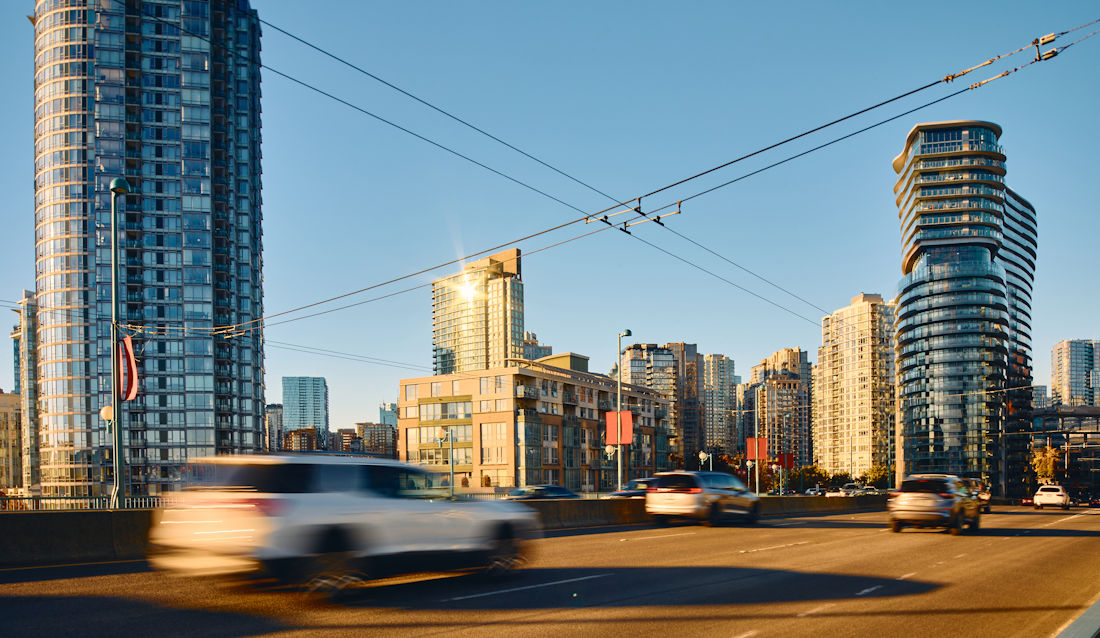
Because alcohol consumption data looks at average drinks per capita, the population plays an important role. BC’s population over the age of 15 has increased from 4.44 million in 2020 to 4.77 million in 2023, representing a fairly significant population increase that’s worth considering.
The primary source of BC’s population increase since the pandemic is immigration. The country has aimed to increase immigration targets, fuel a post-pandemic rebound, and offset the natural population decline.
The majority of immigrants to BC are coming from India, China and the Philippines. Historically, and still today, Canada outdrinks those countries by a pretty wide margin. Smaller sources of BC immigration include countries like Syria, Iran and Nigeria – all of which are majority Muslim countries and therefore majority non-drinkers.
It’s easy to see why an increase in immigration could affect alcohol per capita consumption.
How Inflation and Rising Costs Are Reducing Alcohol Purchases in BC
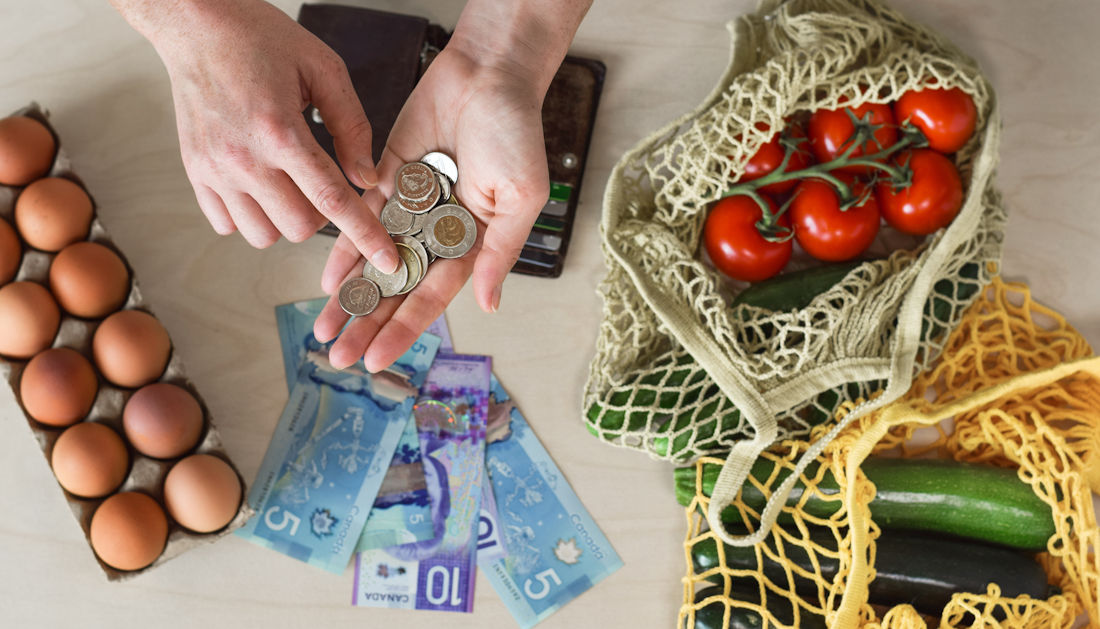
British Columbians are no stranger to higher cost of living, but the past few years have been especially hard. In the aftermath of the pandemic, inflation soared to 6.9% in 2022 – the highest seen since the 1980s. Inflation has fallen since then, but with 2.9% inflation in 2023 and 2.4% in 2024, prices have increased dramatically since the pandemic ended.
As a result of high inflation, British Columbians have been forced to spend more of their paycheque on essentials like housing, food, transportation and gas. That means there’s been less to spend on less essential items like alcohol. As such, high inflation numbers since the pandemic are a reasonable explanation for less spending at the liquor store.
Shift Toward Healthier Alcohol Alternatives (Seltzers, Ciders, Low-Cal Options)
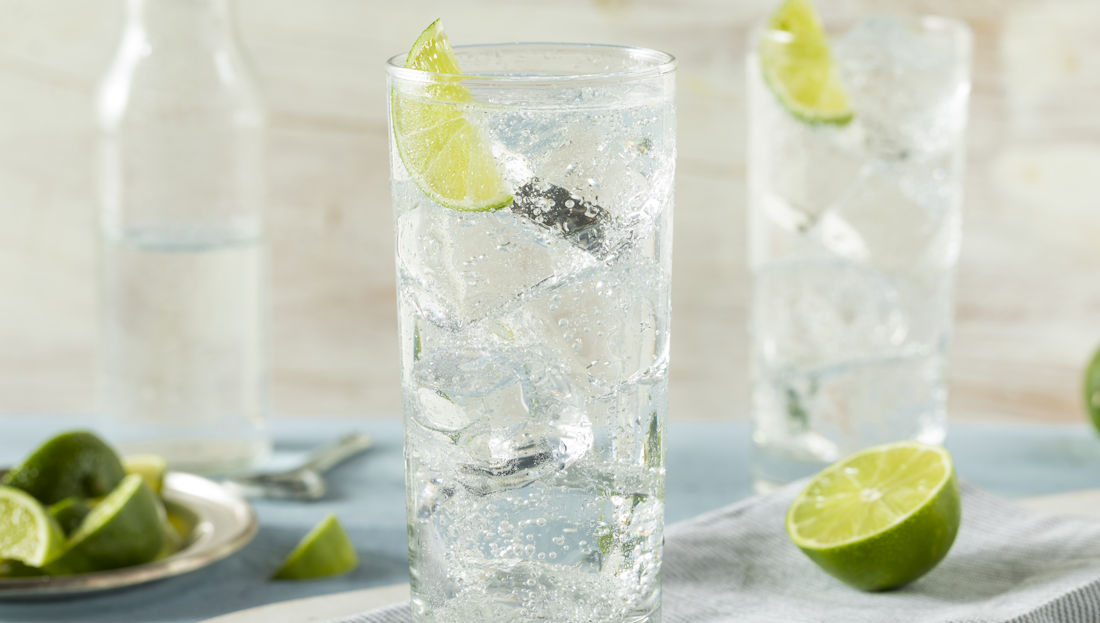
As attitudes around health and fitness evolve, so do alcohol consumption trends. Beer is typically associated with feelings of being full and bloated with an upset stomach the day after – especially after a few. Plus, there’s a growing number of people that can’t consume gluten. This crowd is flocking towards alternative options that are generally considered healthier. Many of the new players in the seltzer, cider, and pre-mixed cocktail space are coming out with products that are lighter, easier on the digestive system, and lower in calories.
Looking for a yummy alternative? Discover new products and exciting seltzers and canned cocktails at Springs Group’s 14 liquor stores across the Lower Mainland and Vancouver Island. Each store has monthly specials for great deals, plus monthly giveaways and grand prizes. We hope to see you soon!