Non-alcoholic wine is no longer a niche alternative. It’s one of the fastest-growing segments in the beverage industry. From Dry January participants to year-round “sober curious” consumers, more people are reaching for alcohol-free options than ever before. Driven by younger generations, social trends, and major advances in production technology, today’s NA wines are changing how and why people drink. Your local liquor store has come a long way.
In this article, we’re diving into the world of non-alcoholic wines, exploring why this trend is picking up so much steam. But first, how is NA wine made?
The History of Non-Alcoholic Wine
It was the Church that kickstarted non-alcoholic wine during the Temperance Movement in the late 1800s, when Church leaders were worried about alcohol consumption. In 1869, a process was invented that involved flash-pasteurizing grape juice, creating a wine without alcohol. The man responsible was Thomas Welch (yes, that Welch). Years later in 1908, a German vintner by the name of Car Jung Jr. invented vacuum distillation, a pivotal moment for the industry, which allowed the alcohol to vaporize at far lower temperatures.
Unfortunately, for decades after the birth of NA wine, the quality was just not there. More often than not, it tasted either nothing like wine or simply like watered-down grape juice – which it was.
It wasn’t until the 1970s and ’80s when the technology really took a step, allowing producers to dealcoholize the wine using a number of different methods like spinning cone columns and aroma capture.
How Non-Alcoholic Wine is Made
All non-alcoholic wine starts out as regular wine (with alcohol), with high-quality grapes being processed and fermented. As such, the main challenge of creating NA wine is removing the alcohol without removing the taste, aromas and mouthfeel.
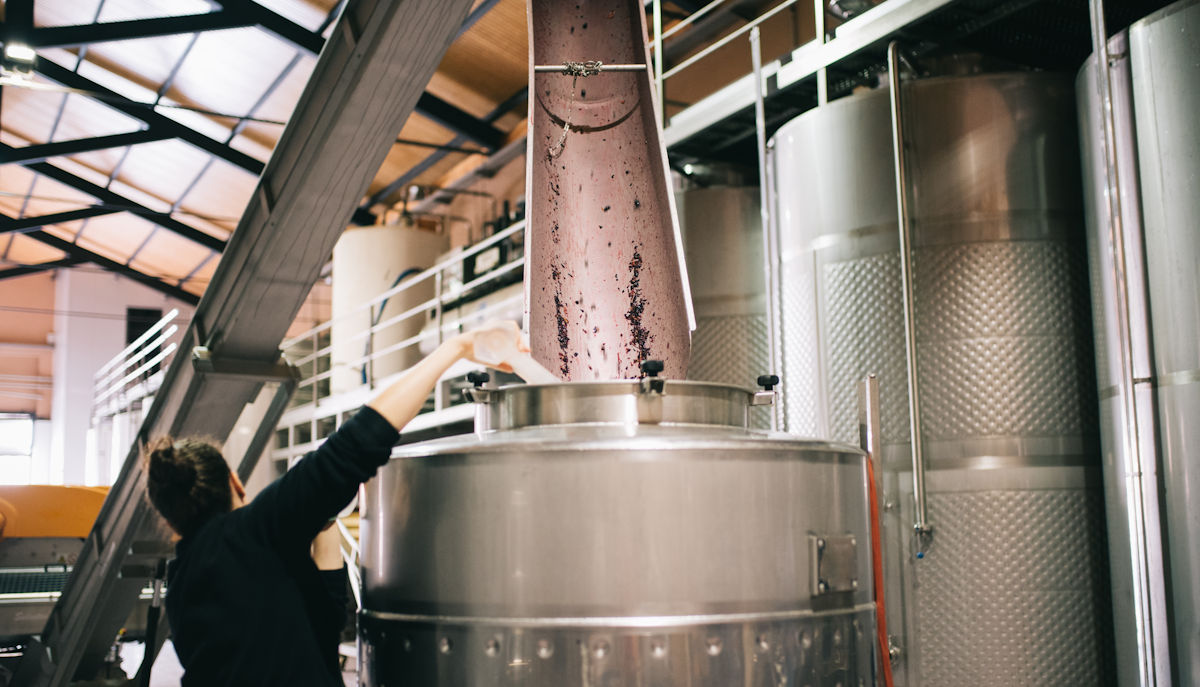
This process begins with Jung Jr.’s invention from 1908, used to lower the boiling point of the alcohol so it can evaporate at around 30°C. This step is key, as it helps to preserve the natural wine flavours. A different process involves passing the wine through very fine filters that separate the alcohol and water from the tannins, aromas and colours we recognize in wine. This is known as reverse osmosis. The wine then flows through spinning cones that further separate the alcohol from the aromas.
To finish the process of dealcoholizing, the aromas and flavours of the wine are carefully reintegrated into the dealcoholized product to produce the taste and smell people love. From there, some producers will use additives like sugar to boost the flavour and mouthfeel.
Dry January
While Dry January has just wrapped up, the broader movement toward mindful drinking continues year-round. The Dry January movement got started over in the United Kingdom back in 2011 by an individual named Emily Robinson. In preparation for a half marathon, Robinson wondered about the effects of drinking and decided to abstain for a whole month and gauge the results. To no surprise, unimpeded by hangovers, her training progressed dramatically without alcohol.
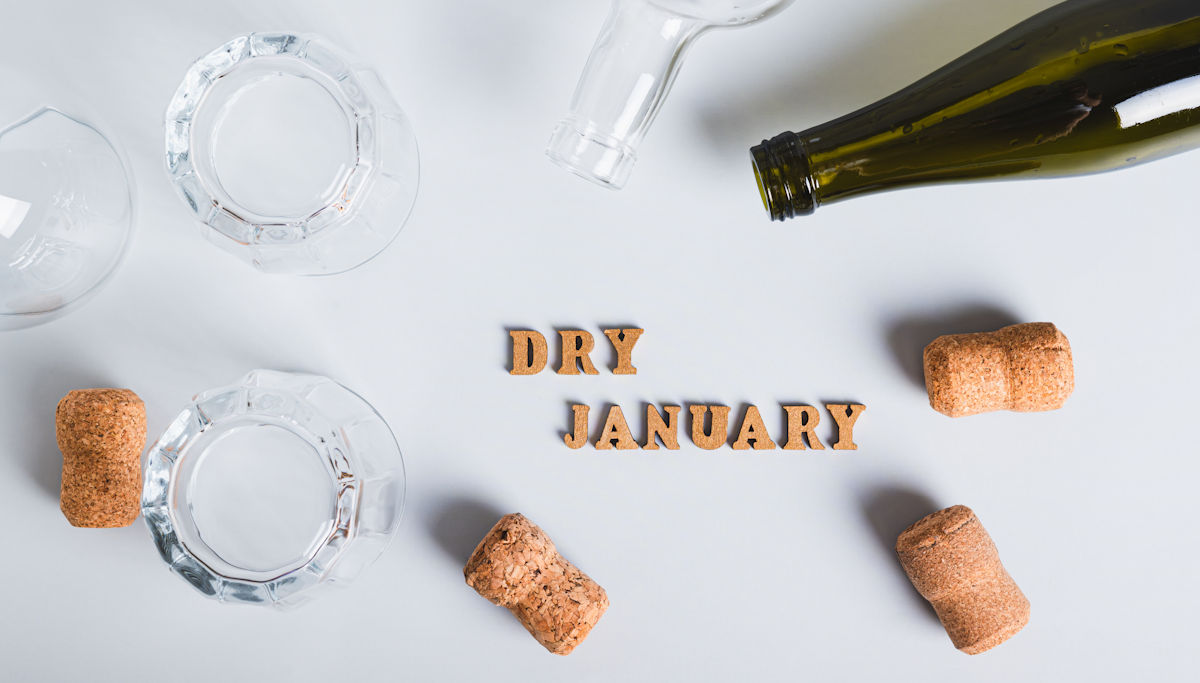
A couple of fyears later in 2013, a UK organization called Alcohol Change UK started the official ‘Dry January’ challenge complete with trademarks, an app, emails, and peer support groups.
The program now sees millions of participants each year, with many more people adopting alcohol-free periods throughout the year. In Canada, January is traditionally the driest month of the year for alcohol consumption, and the Dry January movement is showing no signs of slowing.
Sober Curious & Socially Acceptable
Similar to Dry January, the ‘Sober Curious’ movement is another aimed at reducing alcohol intake – not out of addiction, but for health reasons and well-being. The movement is all about being more mindful around alcohol consumption, questioning modern drinking habits and reevaluating its role in everyday life. Instead of going completely dry for something like Dry January, becoming Sober Curious involves trying non-alcoholic alternatives and fostering a more inquisitive attitude around “why” and “how much” we drink.
It’s the younger generations driving the Sober Curious movement, led by Gen Z and Millennials. Social media and influencer culture has certainly played its part as well, spreading the message and adjusting social norms and beliefs around alcohol consumption.
There are a number of ways people are participating in this trend, which is becoming less of a trend and more of a lifestyle change. Some take breaks like Sober October or Dry January. Others opt for mocktails in social situations, or set personal drinking limits when they do decide to drink.
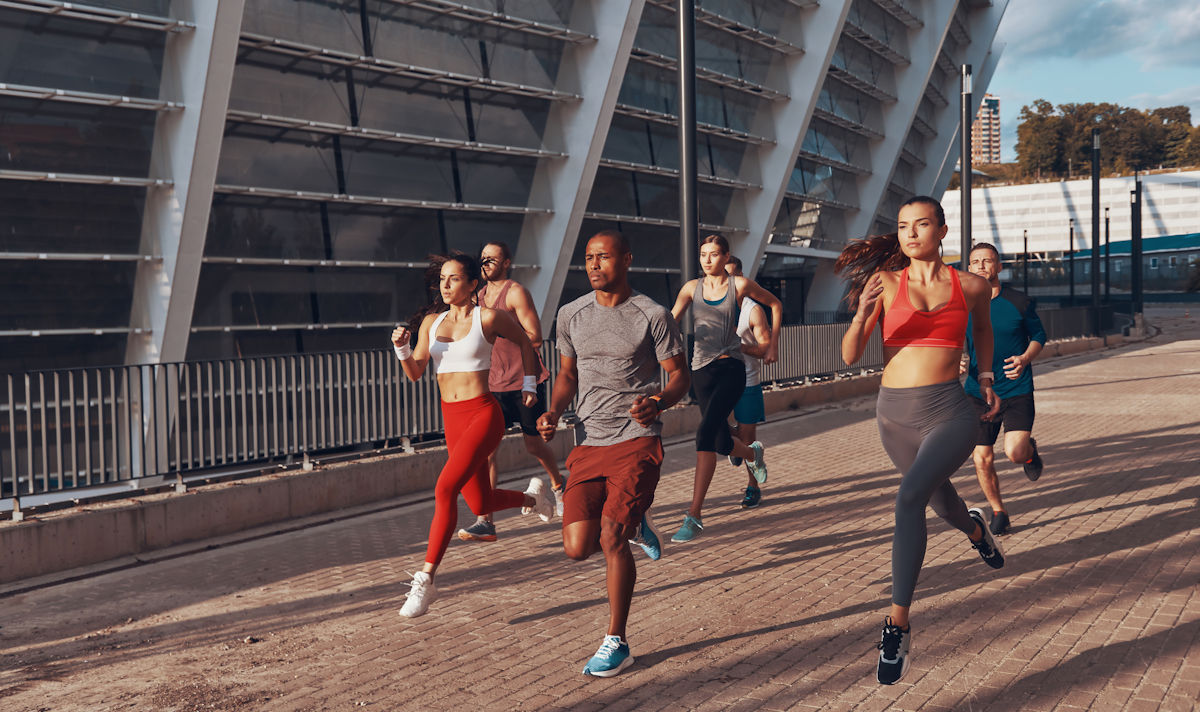
The culmination of changing behaviours, social media and the development of better (and more) NA options have created a culture where not drinking is OK. It’s easier than ever to reach for NA alternatives, and there’s tons of community support to enable a booze-free lifestyle. Community-organized events run by local companies and clubs are all the rage right now, including run clubs, hiking groups, fitness classes, painting events, Pilates, board game gatherings, and many more.
Where to Find Non-Alcoholic Wine
There are a number of wineries across the province churning out high-quality NA wine that tastes and smells like the real stuff. Several wineries specializing in NA wine have emerged, plus many of BC’s famed wineries, including those from the Okanagan Valley, have invested in producing NA options.
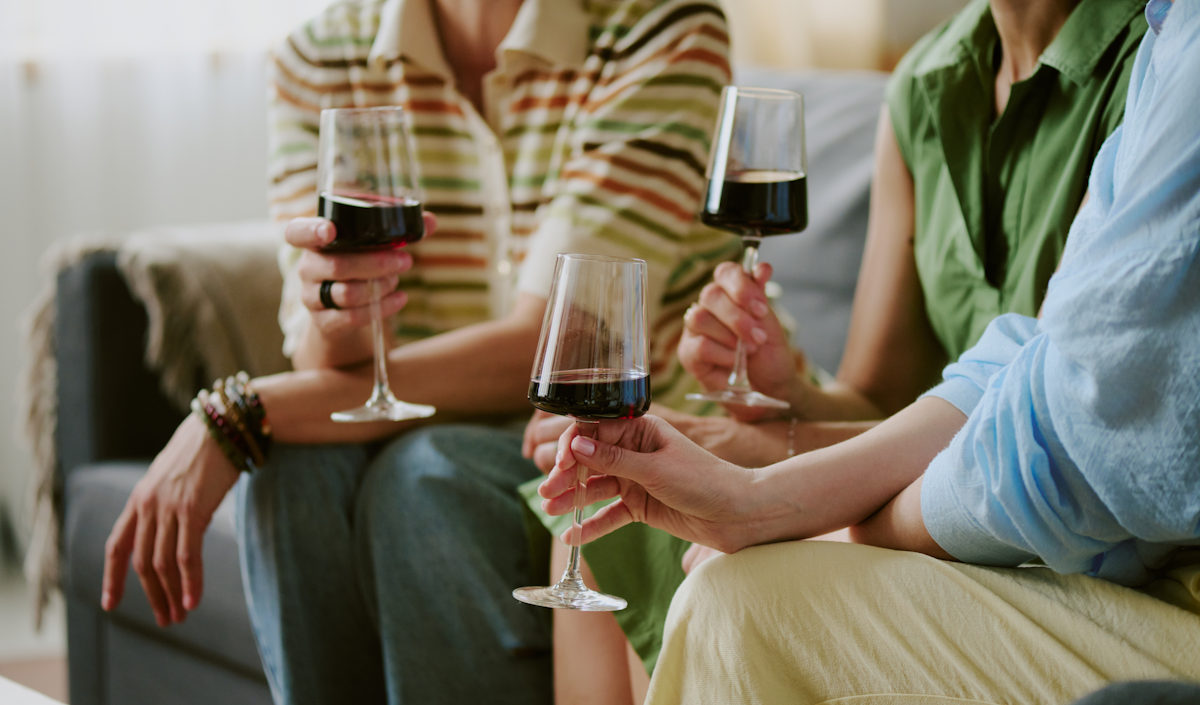
You can purchase NA wine from your local liquor store along with many grocery stores or by going directly to the source. Springs Group operates 14 liquor stores across the Lower Mainland and on Vancouver Island. Find a liquor store near you and pop in for expert (but friendly) advice.